Panel interview tips: how to handle multiple interviewers and win
A panel interview means three to six people scoring you at once, and most candidates lose marks on coordination, not content: they answer to one person, ignore the rest, and forget
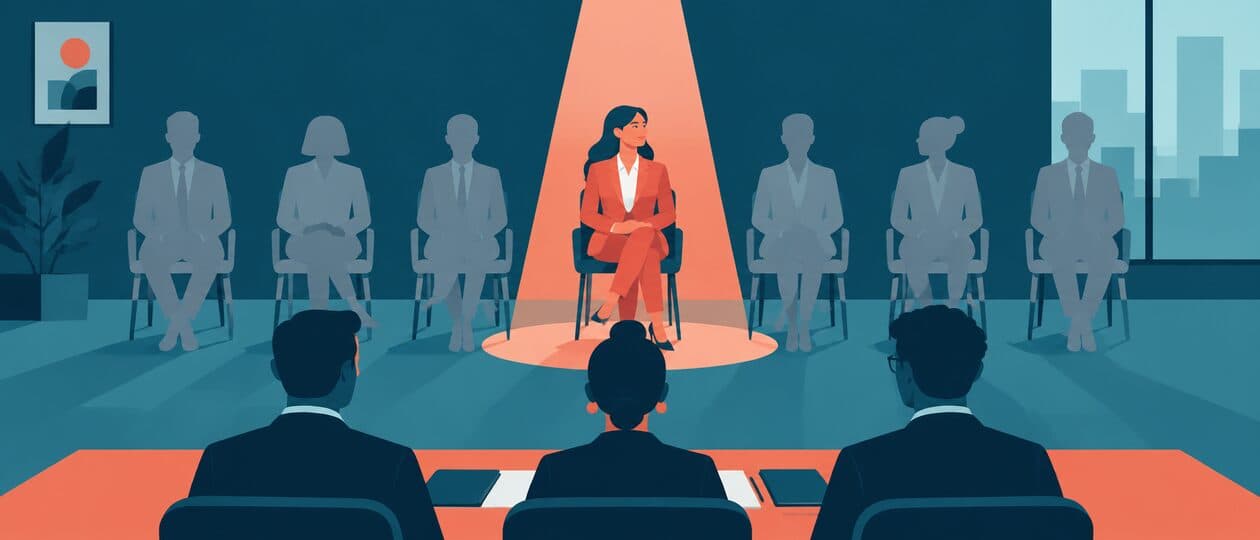
A panel interview means three to six people scoring you at once, and most candidates lose marks on coordination, not content: they answer to one person, ignore the rest, and forget who asked what. These panel interview tips cover the prep, the room dynamics and the follow-up, for Indian job seekers facing HR-plus-technical panels.
Rehearse for your panel with our interview question bank and AI mock interview.
Why companies use panels
Panels save scheduling time and let each function score you independently: the hiring manager tests skill, HR tests fit and salary alignment, a senior leader tests judgment, and sometimes a future teammate tests collaboration. You are not answering one interviewer; you are passing four separate evaluations in the same hour.
Before the interview: prep that pays off
- Ask the recruiter for the panel's names and roles. Look each one up on LinkedIn; knowing who is the decision-maker changes your emphasis.
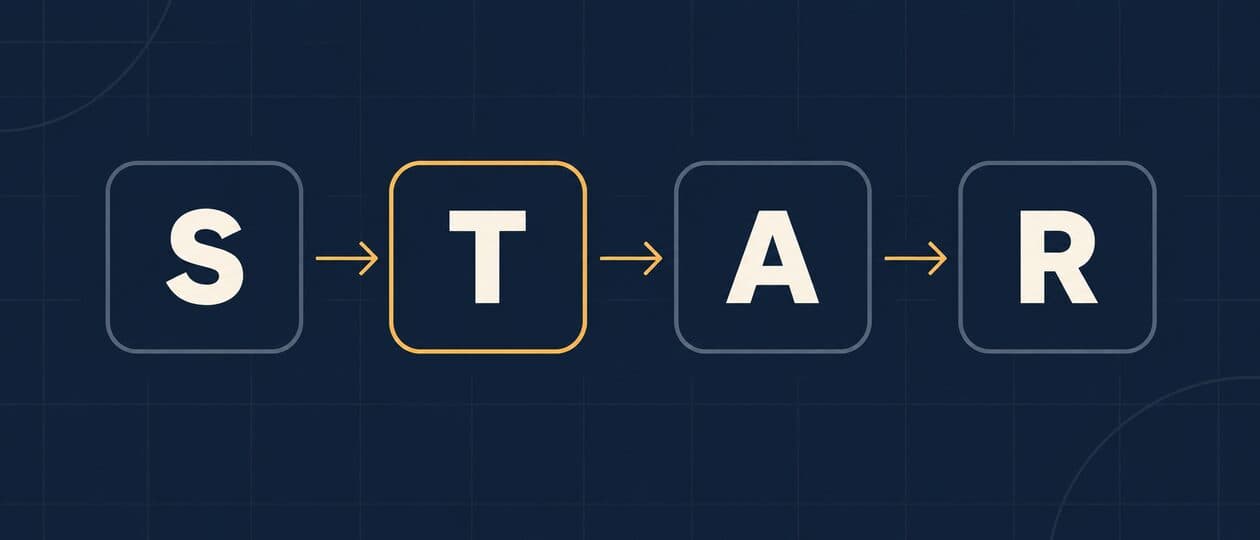
- Prepare three STAR stories you can tell in 90 seconds each, covering your biggest result, a conflict and a failure. Our STAR method guide has the structure.
- Bring five copies of your resume for an in-person panel. For a video panel, have it open on a second screen or a printed sheet.
- Prepare one question per panelist. Panels read silence at question time as low interest.
In the room: the dynamics that score points
| Situation | What to do |
|---|---|
| Answering one person's question | Start with eye contact on the asker, then sweep the others and finish back on the asker. |
| Two interviewers ask at once | Answer the second question first: "Let me take Priya's question, then come back to yours." It shows control. |
| A panelist stays silent | Address them once directly: "From the HR side, does that approach fit your team culture?" |
| You blank on who asked what | Take notes during the interview. It is expected, not rude. |
| Rapid-fire technical rounds | Pause two seconds before each answer. Speed reads as panic on a panel. |
In a one-on-one interview you manage a conversation. In a panel you manage an audience. Every answer is a small presentation.
Mistakes that cost offers
- Answering only to the most senior person. Junior panelists fill feedback forms too.
- Giving different answers to the same question from two panelists. They compare notes in the debrief.
- Ignoring HR's questions as formalities. HR often holds a veto on attitude and stability.
- Leaving without next steps. Ask the coordinator what happens after this round.
After the panel: the follow-up
Send individual thank-you emails the same day, each referencing the specific question that panelist asked. If you noted a weak answer in the room, the thank-you email is your one chance to add a line of correction. Then follow the standard timeline: a status check after five to seven working days if you hear nothing, and one final nudge after two weeks.
How this shows on your resume
A panel cross-examines your resume line by line, and any one of them can pick a bullet to probe. The document must survive four readers, not one.
- Every bullet should be defensible with a story: if you cannot talk about it for two minutes, cut it.
- Keep claims consistent across resume, LinkedIn and your spoken answers; panels check.
- Use an ATS-safe structure from our ATS resume format so you reach the panel in the first place.
ATS keywords panels probe: cross-functional collaboration, conflict resolution, stakeholder management, ownership, communication, adaptability.
| Before | After |
|---|---|
| Worked with different teams | Coordinated with sales, engineering and support teams across 3 offices to ship 5 releases on time |
| Resolved conflicts | Mediated a priority dispute between 2 teams; both projects delivered within the same quarter |
CheatCode's resume builder is the best way to pressure-test the document before the panel does: quantified bullet suggestions, an ATS score that updates as you edit, and a clean export for the five printed copies. Free to start.
The Cheatcode angle
Panel pressure is a practice problem, not a knowledge problem. Candidates know their answers; they fall apart coordinating eye contact, tracking who asked what, and recovering from interruptions. Our interview question bank and AI mock interview let you rehearse rapid-fire follow-ups out loud, which is the closest simulation of a panel you can get alone. Two or three timed rehearsals measurably slow your speaking pace and cut filler words before the real panel.
Video panels: the extra rules
Most Indian panels now run hybrid: two interviewers in a room, two on video. On camera, the coordination problem doubles because you cannot see who is about to speak. Keep the panel's names on a sticky note beside your camera, answer to the lens, and when two people speak at once, say out loud whose question you are taking first. The room forgives an overlap you manage gracefully; it remembers the candidate who freezes.
How panels score you after you leave
Each panelist fills an independent feedback form, usually within the hour: skills, communication, culture fit, and an overall hire or no-hire. The debrief compares notes, and this is where consistency pays: if you told the technical interviewer you led the project and told HR you "supported" it, the mismatch surfaces here. One honest, consistent story told to everyone beats tailored exaggerations every time.
The 24-hour panel prep checklist
| When | Task |
|---|---|
| Day before | Research all panelists on LinkedIn; note one thing about each |
| Day before | Rehearse 3 STAR stories aloud, timed to 90 seconds |
| Day before | Prepare one question per panelist |
| Morning | Print 5 resume copies; test video setup if hybrid |
| 30 min before | Review the job description and your three stories; arrive or log in 10 minutes early |
The two mistakes that cost panel offers
The first is answering only to the person who asked. In a panel, the quiet members are often the decision-makers; they watch how you treat the room. Start with the questioner, then deliberately sweep the others, especially the silent one. The second is contradicting yourself under repetition. Panels deliberately re-ask the same question an hour apart to test consistency. If you said your notice period is 60 days to the first interviewer, it is 60 days to the last. Write your key facts (notice period, current CTC, expected CTC, relocation stance) on one card before you walk in, and do not improvise numbers you will have to repeat.
When the panel goes silent or hostile
A silent panel is usually a note-taking panel, not a rejecting one; do not rush to fill pauses. A hostile or stress interviewer is testing composure, not your answer. Slow down, keep your tone level, and answer the substance. If a question is genuinely inappropriate (marital plans, religion, family intent), you can decline politely: "I would prefer to keep the discussion on the role." How you handle the awkward moment tells them more than the answer would.
Questions to ask a panel
Close with questions that include everyone: one for the hiring manager ("what does success look like at the six-month mark?"), one for the peer or team member ("what is the team's biggest challenge right now?"), and one for HR ("how does the growth path from this role typically unfold?"). Asking a question to only the senior person wastes the room. Panels remember candidates who drew every member into the conversation, because that is exactly the behaviour they want in meetings after they hire you.
Frequently asked questions
Should I send thank-you emails to every panelist?
Yes, one short personalized note each, referencing what they asked. Get names and spellings right; our thank-you email guide has templates.
What if one panelist is clearly hostile?
Stress panelists test composure. Slow down, answer the content of the question, and never match the tone. The rest of the panel is scoring your reaction.
How long do panel interviews last in India?
Typically 45 to 90 minutes. If yours runs short, it is not necessarily bad news; panels with a clear yes often end early.
Round out your prep with tell me about yourself and questions to ask the interviewer.
Should I shake hands with every panelist?
In person, yes, with each one at entry and exit, with a brief smile and their name if you know it. On video, greet each person by name in your opening line instead.
What if I do not know an answer in front of everyone?
Say so plainly and pivot: "I have not worked with that tool, but here is how I would approach learning it in week one." Panels score honesty and recovery; bluffing collapses under one follow-up.